

Moving to New Zealand: The Complete Step-by-Step Guide

Leaving the UK behind to start a new life in New Zealand is more than just a move — it’s a fresh beginning on the other side of the world. From the rugged peaks of the Southern Alps to the laid-back coastal lifestyle of Auckland and Wellington, New Zealand offers a breathtaking blend of natural beauty, opportunity, and quality of life that continues to attract thousands of new arrivals each year.
But while the dream of starting fresh in Aotearoa is inspiring, the logistics of an international move can be complex. Between visa applications, document preparation, and arranging overseas shipping, there’s a lot to organise before you can settle into your new Kiwi life. That’s where having a clear, step-by-step plan becomes invaluable.
This comprehensive Moving to New Zealand guide from Simpsons International Removals breaks the entire relocation process into manageable, timeline-based stages — from the moment you decide to move right through to your first week on New Zealand soil. Whether you’re relocating for work, family, or a long-awaited lifestyle change, this guide ensures you stay on track, meet every deadline, and make your move as smooth and stress-free as possible.
Essential Documents and Visa Requirements
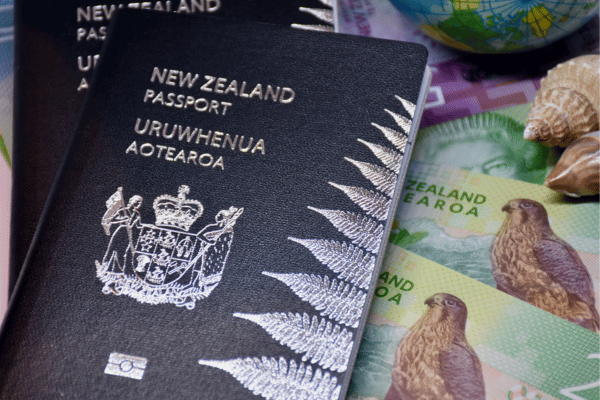
Before diving into the timeline, gather all fundamental documentation that forms the backbone of your migration journey. Start this process immediately, as some documents can take months to obtain.
Apply for your visa early
Apply for your New Zealand visa at least 6–12 months before your departure date. Visa processing times vary — visitor visas may take weeks, while residency applications can take several months. The Skilled Migrant Category residence visa uses a points-based system considering your age, qualifications, work experience, and job offers.
Check your passport validity
Ensure your passport is valid for at least 3 months beyond your intended stay. If your passport expires soon, renew it before starting visa applications. Immigration New Zealand requires passports to meet strict validity requirements.
Prepare certified documents
Obtain certified copies of birth certificates, marriage certificates, and educational qualifications. These prove your identity, relationships, and skills. Educational credentials support visa and job applications. Ensure all documents are certified by authorised officials and translated into English if necessary.
Get police clearance certificates
Gather police clearance certificates from all countries you’ve lived in for 12+ months since age 17. Police checks are mandatory for most long-term visas and must be issued within 6–12 months of your application.
Complete medical examinations
Medical checks must be completed with INZ-approved panel physicians. These screen for tuberculosis and other health conditions. Some applicants may need chest X-rays and blood tests, particularly for stays longer than 12 months.
Show proof of funds
Prepare evidence of funds (minimum NZ$4,200 per person or NZ$7,000 per family). Bank statements, employment contracts, or sponsor declarations demonstrate that you can support yourself financially.
12 Months Before Moving
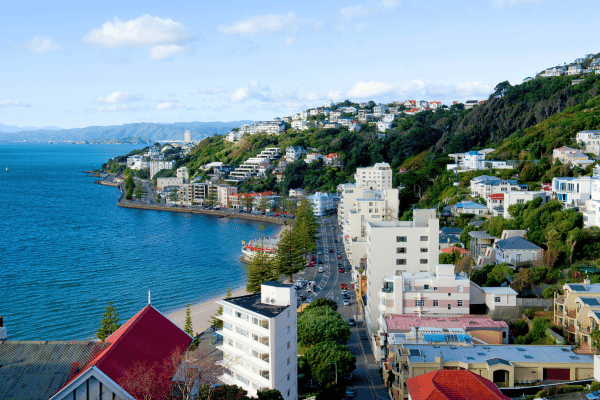
Starting your planning a full year ahead gives you time to make informed decisions and secure the best opportunities for your new life in New Zealand.
Research where to live
Explore New Zealand’s regions and cities to find the best location for your lifestyle. Auckland offers the largest job market but also the highest living costs, with median weekly rent around NZ$700 for a three-bedroom house. Wellington provides strong government and corporate opportunities at slightly lower costs, while Christchurch offers more affordable housing with a growing job market.
Begin job search and networking
Start your job search early through professional platforms like LinkedIn, Seek.co.nz, and TradeMe Jobs. The New Zealand job market values local experience, so begin networking within your industry. High-demand sectors include healthcare, construction, IT, and agriculture.
Learn about Kiwi culture
Start learning about New Zealand culture, customs, and work environment. Understanding Māori culture and basic Te Reo phrases shows respect for local traditions. Kiwi workplaces often emphasise collaboration and work-life balance.
Calculate your moving costs
Include visa fees, medical checks, police certificates, flights (typically NZ$1,500–3,000 per person), and shipping (NZ$5,000–15,000 for household contents). Also, set aside funds for 3–6 months of living expenses without income.
Plan around the school year
If you have children, consider timing your move with the New Zealand academic year (February–December) for a smoother transition.
6 Months Before Moving

At this stage, focus on your finances and securing accommodation in New Zealand.
Financial Preparation
Open a New Zealand bank account with major banks such as ANZ, ASB, BNZ, or Westpac before arrival. Many banks allow overseas account setup using passport copies and visa approval letters. Having an account helps with rent payments, salary deposits, and everyday expenses.
Arrange international money transfer services to move savings or property proceeds. Compare options carefully to get the best exchange rates and fees. Consider fluctuations in currency rates when transferring large sums.
Obtain a credit history report from your home country. While New Zealand banks can’t directly access overseas credit files, providing documentation can help when applying for mortgages, car loans, or credit cards.
Research New Zealand’s tax obligations and the IRD (Inland Revenue Department) number process. You’ll need this for employment, banking, and government services.
Housing Arrangements
Book short-term accommodation for your first 2–4 weeks — serviced apartments or Airbnb-style rentals are ideal. Avoid committing to long-term leases before viewing properties in person.
Research the rental market using sites such as TradeMe Property, realestate.co.nz, and Rentals.co.nz. The housing market varies greatly by region, with Auckland and Wellington being the most competitive.
Familiarise yourself with New Zealand tenancy laws. Typical rental applications require identification, employment verification, previous landlord references, and a rental bond (usually 3–4 weeks’ rent).
Choose locations with convenient access to schools, work, and public transport. Note that public transport networks are limited outside major cities like Auckland and Wellington.
3 Months Before Moving

With three months to go, focus on the practical logistics — shipping your belongings and arranging pet relocation.
Shipping and Belongings
Request a quote from Simpsons International Removals, specialists in international moves from the UK to New Zealand. Our experienced team handles everything — professional packing, secure shipping, customs clearance, and delivery to your new home.
Choose between sea freight (6–8 weeks, more affordable) and air freight (1–2 weeks, faster but costlier). Many families ship essential items by air and household goods by sea.
Review New Zealand’s customs and biosecurity regulations. Declare all items honestly, as restrictions apply to fresh food, plant materials, garden tools, and certain electronics. Penalties for non-declaration can reach NZ$400 or more.
Declutter before shipping to reduce costs. Large furniture or electrical items may be cheaper to replace locally than transport.
If your shipment will arrive before your permanent home is ready, arrange secure storage with Simpsons International Removals to avoid logistical issues.
Pet Relocation
Book pet transport with an approved carrier early. Pet relocation requires strict adherence to veterinary, airline, and quarantine regulations.
Complete all required vaccinations and health certificates at least six weeks before travel. Dogs and cats need rabies vaccinations, vet-issued health certificates, and sometimes blood tests.
All imported pets must complete quarantine in a government-approved Transitional Facility (usually in Auckland). The stay duration depends on your pet’s vaccination and origin.
For a stress-free experience, consider using a professional pet relocation service such as Transfur, which specialises in safe and compliant pet transport from the UK to New Zealand and other international destinations.
Expect total pet relocation costs between NZ$3,000–5,000 per animal, covering veterinary fees, flights, quarantine, and handling.
1 Month Before Moving

The final month is for travel arrangements and wrapping up affairs in the UK.
Travel and Final Preparations
Book flights with airlines such as Air New Zealand, Emirates, or Singapore Airlines. Coordinate your arrival with your accommodation and shipment schedules.
Purchase comprehensive travel insurance covering health, cancellations, and lost luggage. Ensure coverage lasts until your New Zealand health insurance is active.
Arrange airport transfers or rental cars from major airports like Auckland, Wellington, or Christchurch.
Pack important documents — passport, visa, medical records, educational certificates, and financial papers — in your hand luggage.
Utilities and Services
Cancel or transfer all utility services (electricity, gas, water, internet, and phone). Give 2–4 weeks’ notice and settle final bills before departure.
Obtain final bills and clearance letters; some banks or landlords in New Zealand may request proof of responsible payment history.
Notify your local council to stop council tax and other local services.
Set up a mail redirection service for 6–12 months to ensure important correspondence reaches you.
Electronics and Vehicles
Purchase Type I plug adapters for New Zealand’s 240V outlets. Check if your appliances require voltage converters.
Research New Zealand’s driving license conversion process. UK licenses can usually be exchanged without a test but always confirm requirements.
If considering shipping your car, note that New Zealand drives on the left and has strict import standards. Often, buying a vehicle locally is more practical.
First Week After Arrival

Your first week in New Zealand focuses on essential registrations and settling in.
Essential Registrations
Apply for your IRD number (Inland Revenue Department) online or at a local office — you’ll need it for work, banking, and taxes.
Register with a local GP to obtain your National Health Index (NHI) number, which grants access to the public health system.
Enroll your children in school through your local education office or directly with schools. Bring visa documents, proof of address, and previous records.
Complete your bank account setup in person to finalise identity checks and enable transfers.
Learn New Zealand’s emergency number (111) for police, fire, and ambulance services.
Settlement Activities
Join local community groups or expat networks for social connections and advice.
Register with your local library for access to internet, local information, and events.
Explore public transport options and buy a travel card — AT HOP (Auckland), Snapper (Wellington), or Metrocard (Christchurch).
Locate nearby supermarkets such as Countdown, New World, and Pak’nSave to stock up on essentials.
Connect with Settlement Support New Zealand for free newcomer guidance and resources.
Conclusion
Starting a new life in New Zealand is an incredible opportunity — but getting there takes careful planning and trusted support. With its stunning landscapes, friendly communities, and relaxed pace of life, it’s no wonder so many people from the UK choose to make Aotearoa their new home.
That’s where Simpsons International Removals comes in. As specialists in international removals from the UK to New Zealand, we take care of every detail — from professional packing and secure shipping to customs clearance and safe delivery right to your new home.
Whether you’re moving a few boxes or a full household, we offer both part-load and full-container shipping options to suit your needs and budget, ensuring a smooth and stress-free relocation experience.
Take the next step towards your move with confidence. Get a free online quote today or visit our Removals to New Zealand page for expert advice, shipping options, and everything you need to make your move simple and seamless — with Simpsons International Removals.

Recommended Posts

Top Picks: Best Places to Live in New Zealand for Expats in 2026
Thursday, 9th July 2026

Top Things to Do in New Zealand for Thrill-Seekers and Nature Lovers
Tuesday, 17th March 2026

New Zealand North Island vs South Island: Which Is Better to Live In?
Tuesday, 9th December 2025