

Is Shipping Furniture to Australia Safe? Insurance, Risks & What to Expect (2026 Guide)
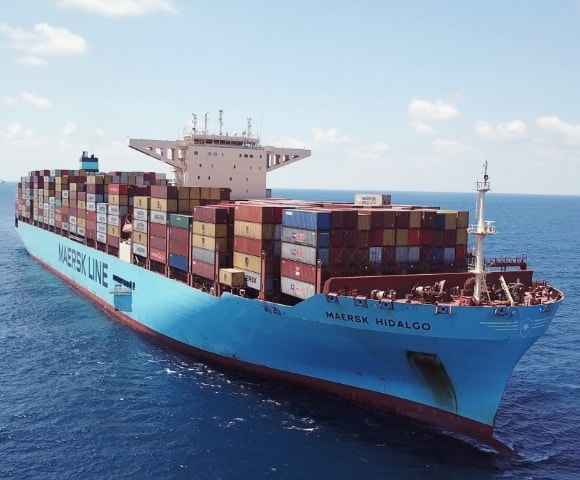
Shipping furniture to Australia is safe when it’s professionally packed, shipped in a sealed container, and covered by appropriate insurance. In practice, most shipments arrive without significant damage.
What matters is not the distance your furniture travels, but how the shipment is prepared.
A professionally packed and fully insured move is typically low risk and results in a predictable, controlled outcome. By contrast, inadequate packing or a lack of proper insurance significantly increases the likelihood of damage and can lead to avoidable financial loss.
The key point, for anyone asking “is shipping furniture to Australia safe?”, is that the right standards are followed.
This guide covers:
- What actually makes international shipping safe
- The real risks (and how often they happen)
- How removal companies protect your furniture
- What insurance does and doesn’t cover
Get expert advice on safely shipping your furniture to Australia.
Is It Safe to Ship Furniture Overseas?
Yes, it’s safe, specifically because of how container shipping works, and not just who handles your move.
International removals are built around sealed container transport, which limits handling and protects goods over long distances. Once your shipment is loaded, it typically isn’t touched again until it reaches its destination.
This is the core difference from domestic moves:
- Domestic → multiple handling stages → higher handling risk
- International (containerised) → single loaded unit → minimal handling
In other words, less handling means fewer opportunities for damage.
What Affects Safety When Shipping Furniture Overseas
| Factor | Safety Level |
| Professionally packed, full container (FCL) | High |
| Professionally packed, shared container (LCL) | High |
| Owner-packed, non-fragile items | Moderate |
| Owner-packed, fragile or high-value items | Higher risk |
Why Most Furniture Arrives Without Damage
The key reason furniture arrives safely is minimal handling during transit.
Once a container is professionally packed and sealed:
- It’s not opened or repacked during the journey
- Goods move as a single, secured unit
- Handling is limited to loading and unloading only
Professional packing further reduces risk by accounting for real sea conditions:
- Export wrapping protects surfaces from friction and impact
- Custom padding and bracing prevent movement inside the container
- Load planning distributes weight and stabilises items during vessel movement
The result is that serious damage (e.g. broken furniture or structural damage) is uncommon, and most issues should they occur are minor and cosmetic.
How Risky Is International Moving?
Shipping furniture overseas is safe when done professionally and risky when corners are cut. The biggest factor is not distance, but packing quality and handling standards.
International moving is low risk when professionally managed — with most issues limited to minor cosmetic damage rather than serious loss or breakage.
For removals to Australia, the most common outcomes are predictable:
- Minor surface marks (e.g. scratches, small dents)
- Occasional delays at customs or biosecurity
Serious damage or loss is uncommon, particularly when professional packing and standard container shipping are used.
Typical Risks and Likelihood
| Risk Type | Likelihood | What It Means in Practice |
| Minor cosmetic damage | Low to moderate | Light scratches, soft dents, or scuffs on surfaces — most common issue |
| Structural damage to furniture | Low | Broken components (e.g. legs, frames) — rare with professional packing |
| Complete loss of items | Very low | Containers are sealed, tracked, and documented at each stage |
| Delays to delivery | Moderate | Typically caused by customs clearance or biosecurity inspections, not damage |
What Actually Increases Risk
Poor packing is the most common and avoidable cause of damage. This includes:
- Items not properly wrapped or padded can shift during a 6–10 week sea journey
- Vessel movement (rolling, vibration) means unsecured items will move inside the container
- Fragile areas (legs, corners, glass) are most exposed without proper protection
Multiple handling stages increases risk. The level of risk depends on the shipping method:
- Full Container Load (FCL) → loaded once in the UK, unloaded once in Australia → minimal handling
- Shared Container (LCL / groupage) → consolidated and deconsolidated at depots → additional handling steps
How Do Removal Companies Protect Furniture During Shipping?
Removal companies protect furniture by combining export-grade packing materials with structured loading techniques designed specifically for long sea voyages.
The goal is to prevent movement over a 6–10 week journey, where containers are exposed to vibration, rolling, and pressure from stacked cargo.
Packing Methods for International Shipping
| Method | What It Does in Practice |
| Export wrapping | Multi-layer protective wrap (often paper + plastic) to shield surfaces from abrasion and moisture |
| Blanket wrapping | Thick padded covers to protect wood finishes and upholstered items during loading and transit |
| Bubble wrap and foam | Reinforces vulnerable areas such as corners, legs, and edges that are prone to impact |
| Custom timber crating | Rigid wooden crates built for items like marble tops, artwork, mirrors, or antiques |
| Cell packing (glassware) | Divided cartons that keep items separated to prevent contact and breakage |
| Secure loading | Items tightly packed and braced to eliminate internal movement within the container |
How Load Planning Reduces Damage Risk
Positioning inside the container is as important as the packing itself.
Professional packers plan the load to control how force moves through the container:
- Heavier items (e.g. wardrobes, appliances) are placed at the base to create a stable foundation
- Lighter items are stacked above without putting pressure on fragile pieces
- Gaps are filled and braced to prevent shifting during vessel movement
- Fragile items are isolated from anything that could move or collapse
Correct load planning ensures a stable load with minimal movement over long distances, which is vital given that shipping containers can experience significant motion on the 10,000-mile journey to Australia.
How Containers Protect Your Furniture
A shipping container acts as a sealed, single-unit transport system from the UK to Australia. Once loaded:
- It’s sealed with a numbered security seal.
- It remains closed until arrival (except for customs inspection if required).
- Your goods are not handled or transferred between vehicles mid-journey.
This eliminates the main cause of damage in transport: repeated handling.
Container Features and Protection
| Container Feature | Protection It Provides |
| Sealed construction | Prevents exposure to rain, sea spray, and external conditions |
| Structural strength | Designed to be stacked under heavy loads without crushing contents |
| Tamper-evident seal | Indicates if the container has been opened during transit |
| Tracking systems | Allows shipment monitoring throughout the journey |
What Are the Risks of Sea Freight to Australia?
Sea freight to Australia is generally reliable, but it exposes your furniture to three specific conditions:
- Vessel movement
- Humidity changes
- Extended transit time
These are not risks in the sense of likely damage but environmental factors that must be managed accordingly.
- Vessel Movement (Primary Physical Risk)
Containers are subject to constant motion during a 6–10 week voyage.
- Rolling and pitching in rough seas can create side-to-side and vertical movement
- Sudden shifts can apply force to unsecured items inside the container
If items are not tightly packed and braced, they move, leading to repeated impact damage that often accounts for the majority of insurance claims in international relocations.
- Humidity and Temperature Variation (Material Risk)
As ships travel from the UK through tropical regions to Australia, containers experience temperature swings and changing humidity levels.
- Warm air + cooler container surfaces → condensation (“container rain”)
- Solid wood can expand or contract slightly
- Moisture-sensitive items (e.g. electronics, fabrics) can be affected if not protected
This is why export packing often includes moisture-resistant wrapping and industrial desiccants inside the container to prevent container rain. This usually occurs when crossing the equator and moving through different climate zones.
- Transit Duration (Cumulative Risk)
A typical journey lasts 6–10 weeks at sea, plus additional time at ports.
- Longer duration increases exposure to movement and environmental conditions
- Small issues (e.g. loose packing) can worsen over time
Rather than sudden damage, the primary risk to your belongings is gradual impact and friction caused by the constant vibration of the vessel over a six-to-eight-week journey.
How These Risks Are Managed
| Risk | How It’s Managed in Practice |
| Vessel movement | Tight packing, internal bracing, and load distribution to prevent shifting |
| Humidity / condensation | Moisture-resistant materials and desiccants placed inside the container |
| Extended transit time | Use of export-grade packing designed for long-duration shipping |
| Multiple handling stages | Reduced with full containers (FCL); controlled consolidation with shared loads (LCL) |
Is Container Shipping Secure?
Yes, container shipping is highly secure due to sealed units, controlled handling, and strict port security procedures.
Once your furniture is loaded, the container becomes a closed, trackable unit that is not accessed during transit unless required for customs inspection.
How Container Security Works in Practice
- Numbered security seal. Each container is locked with a unique seal at origin. If it is broken or replaced, this is recorded and must be accounted for.
- Documented chain of custody. Your shipment is logged at each stage (collection, port handling, loading, and arrival) with inventory and customs documentation tied to the container.
- Restricted port access. Ports operate under controlled access systems, with limited personnel authorised to handle containers.
- Tracked movement. Containers are monitored throughout the journey, with location updates at key transit points.
A professional international relocation utilizes a closed-loop logistics system where a sealed container, tracked handling, and controlled access work in tandem to create a very low risk of interference or loss.
Full Container vs Shared Container: How Does Safety Compare?
| Option | Handling | Security | Cost |
| Full container load (FCL) | Loaded once, delivered once | Highest — exclusive use, no third-party goods | Higher |
| Shared container (LCL / groupage) | Consolidated and deconsolidated at depots | High — sealed during transit, separated consignments | Lower |
What Actually Affects Security
- Packing quality → determines whether items are protected internally
- Handling stages → more handling = slightly more exposure to risk
- Provider experience → established routes and processes reduce errors
Container type matters less than how well the shipment is prepared and managed.
Do Removal Companies Insure Your Items?
Usually, yes, but not always as standard. For UK to Australia moves, many international removal companies offer marine or transit insurance, either included in the removals quote or added as an optional extra. The important point is that you should never assume insurance is built in.
Some Australia-focused moving resources specifically recommend asking for quotes that include insurance upfront, because not every provider prices it the same way.
Types of Cover You May Be Offered
| Insurance Type | What It Typically Covers | What to Watch For |
| Basic carrier liability | Limited compensation based on weight or standard liability terms | Usually inadequate for furniture, antiques, or household goods |
| Standard marine / transit insurance | Declared value of goods against insured transit risks | Check excess, valuation basis, and exclusions |
| All-risk cover | Broader protection for accidental loss or damage in transit | Best suited to higher-value, fragile, or hard-to-replace items |
Basic liability is rarely enough for an international household move.
If your shipment is worth several thousand pounds, a low, weight-based payout can leave you heavily out of pocket. That matters even more on UK-to-Australia routes, where the overall move cost can already reach around £6,000–£8,000 before insurance.
What Insurance Usually Does And Doesn’t Cover
| Usually Covered | Common Exclusions or Limits |
| Accidental damage during transit | Damage to owner-packed goods |
| Loss of items in transit | Customs or biosecurity delays |
| Fire or water ingress during shipping | Wear and tear |
| Damage caused by a shipping incident | Damage caused by prohibited or contaminated items |
The Most Important Detail: Self-Packing Can Affect Claims
For this route, the biggest insurance trap is self-packing.
If you pack your own cartons and something fragile is damaged inside, insurers may argue the problem was insufficient packing, not a shipping failure. That is why established removals put so much emphasis on approved export packing materials, professional inventories, and export-standard packing procedures.
Why Insurance Matters More on Australia Moves
Insurance is especially important on a UK-to-Australia move because the risks are not limited to breakage.
Australia has strict customs and biosecurity controls, and goods that do not comply can be treated, exported, or destroyed at your expense. Insurance may protect against insured transit damage, but it will not usually rescue you from costs caused by incorrect declarations, contamination, or restricted items.
That means you need two things working together:
- The right insurance cover
- The right packing, inventory, and customs preparation
What to Ask Before You Book
Before accepting a quote, ask:
- Is insurance included or extra?
- Is cover based on weight or declared value?
- Are owner-packed boxes excluded?
- Does the policy cover full replacement value or limited liability only?
- What evidence is required if I need to make a claim?
What Happens If Items Are Damaged During Shipping?
Damage is uncommon on UK to Australia moves. But if it does happen, your prospect to claim depends on what you do at delivery.
Most insurance policies require immediate documentation and prompt notification, so the claims process effectively starts the moment your shipment arrives.
The Claims Process (What to Do Step-by-Step)
| Step | What to Do (and Why It Matters) |
| Inspection on delivery | Check items as they are unloaded — do not sign “clear” if damage is visible |
| Document everything | Take clear photos of damage, packaging, and affected items immediately |
| Note on delivery paperwork | Record damage on the delivery receipt before the crew leaves — this creates formal evidence |
| Notify your removal company | Report damage as soon as possible (often within a few days, depending on policy) |
| Submit formal claim | Provide photos, inventory references, and a claim form to the insurer |
| Assessment | Insurer reviews evidence, inventory condition notes, and packing details |
The Most Common Claim Issues
- No damage noted at delivery → insurer may assume items arrived in good condition
- Late reporting → claim rejected due to missed notification window
- Owner-packed items → limited or no cover for internal damage
- Insufficient evidence → unclear cause of damage → delayed or denied claim
Most international transit insurance policies require that any visible damage be noted on the delivery receipt, as delayed reporting or no documentation can lead to a claim being rejected due to the missed notification window.
Timing Matters More Than Most People Expect
The timing of your post-delivery inspection is just as critical as the packing itself. Most marine insurance policies for Australian relocations operate on a strict notification window, often requiring you to report damage within 7 to 14 days of your container’s arrival.
A late discovery of broken items typically falls outside the claim window, resulting in a denied payout regardless of how clear the damage is.
Should I Sell Furniture Instead of Shipping It?
This decision depends on value per cubic metre, not just the item itself. For UK to Australia moves, shipping is priced by volume, so the key question is whether the cost to ship an item is lower than the cost to replace it in Australia.
With typical international shipping costs often reaching £6,000–£8,000 for a full household move, low-value or bulky items quickly become uneconomical to ship.
A Practical Framework for the Decision
| Item Type | Ship or Sell? | Why |
| Quality solid wood furniture | Ship | High replacement cost in Australia, especially for hardwood pieces |
| Antiques or inherited items | Ship | Irreplaceable — value not purely financial |
| Upholstered sofas and beds | Consider selling | Bulky (high volume cost), widely available in Australia |
| Flat-pack or budget furniture | Sell | Shipping cost often exceeds replacement value |
| High-end electronics | Ship | High value relative to size (check voltage compatibility) |
| Garden furniture | Usually sell | Biosecurity risk — may require cleaning, treatment, or disposal |
| Artwork and mirrors | Ship (with crating) | High value; can be safely transported with specialist packing |
UK to Australia Factors That Change the Decision
- Shipping is Volume-Based (Not Item-Based)
International movers charge by the cubic metre, not the weight or quantity of items.
- The Math: Shipping a large, low-value IKEA wardrobe could cost more in volume than its replacement value in Sydney.
- The Strategy: Prioritize compact, high-value items. If an item is bulky and easily replaceable (like a basic mattress or plastic storage bins), it is usually more cost-effective to sell it in the UK.
- Australia’s Biosecurity Rules Add Risk and Cost
The Department of Agriculture, Fisheries and Forestry (DAFF) is incredibly strict. Items like garden tools, outdoor furniture, or mountain bikes often trigger:
- Mandatory Inspections: Adding £150–£400 to your destination fees.
- Professional Cleaning: If soil or organic residue is found, you will be billed for specialist steam cleaning.
- Destruction: If an item (like untreated wicker or cane) is deemed a risk, it may be destroyed at your expense.
- The Strategy: It is often cheaper to buy new garden furniture in Australia than to risk the cleaning and inspection fees of moving your old set.
- Regional Furniture Pricing Differences
The Australian furniture market varies significantly from the UK.
- Mid-range/Flat-pack: Pricing is broadly similar; shipping these is rarely worth the volume cost.
- High-end & Bespoke: Solid wood, designer, or antique pieces are often 20–40% more expensive in Australia due to import costs and limited local timber varieties.
- The Strategy: If it’s high-quality or has sentimental value, ship it. If it’s mass-produced, sell it and use the “saved” shipping cash to buy new when you land.
Under the 2026 Biosecurity Import Conditions (BICON), any goods with organic residue or untreated wood may be subject to mandatory cleaning or destruction at the owner’s expense.
Do I Need Insurance for Moving to Australia?
No, insurance is not legally required for a UK to Australia move. But if you choose to forgo it, you are effectively acting as your own insurer and accepting 100% of the financial risk for your belongings.
A typical international move in 2026 involves goods worth tens of thousands of pounds. Replacing even a fraction of that in Australia is significantly more expensive than in the UK due to import costs on high-end goods.
Comprehensive Marine Transit Insurance typically costs between 1.5% and 4% of your declared value, a relatively small premium to protect against the high-cost, low-probability risks of a 10,000-mile sea voyage.
Why the Type of Cover Matters
The risk imbalance is the key factor. Without a policy, you are liable for:
- Physical Damage: From container rain (condensation) to transit vibrations.
- General Average: A maritime law where all cargo owners share the cost if a ship is damaged or cargo is jettisoned to save the vessel.
- Total Loss: The rare but catastrophic event of a container falling overboard or a ship sinking.
For high-value items like antiques, bespoke furniture, or specialized electronics, a claim payout is often the only way to recover your losses.
Stay on track with our comprehensive [Moving to Australia Checklist].
Shipping Furniture to Australia: What Actually Determines a Safe Move
Many families ask, “is shipping furniture to Australia safe?”, when making a big decision to move. Shipping furniture to Australia is not inherently risky, but the decisions made before the container is sealed certainly can be.
The journey across the ocean is remarkably predictable. Modern vessels follow high-precision schedules. In 2024, only about 576 containers were lost at sea out of the staggering 250 million transported globally. This means that more than 99.9998% of shipments arrive safely, making the statistical likelihood of your belongings actually going overboard almost zero.
What truly determines the safety of your move is how well the setup is handled in the UK.
- Packing isn’t the problem. Stowage is.
- Distance doesn’t cause delays. Data does.
- Costs aren’t random. They are avoidable.
In short, an international relocation is a planning exercise. When the logistics preparation is handled correctly, the shipping takes care of itself.
Learn more about the team behind our 40 years of international shipping expertise.
FAQs
Is it safe to ship furniture internationally to Australia?
Yes, it is safe to ship furniture internationally to Australia because modern maritime logistics are highly reliable. Almost 99.99% of containers arrive without incident. The small percentage of damage that does occur is almost always due to poor packing or shifting, both of which are prevented by hiring a professional removals company.
How often does furniture get damaged during shipping?
Serious structural damage is uncommon when items are professionally export-wrapped. While minor cosmetic scuffs can occasionally occur due to the micro-vibrations of a 10,000-mile voyage, reputable movers maintain exceptionally low damage rates by using high-density padding and precision load-stacking.
Do I need insurance when shipping furniture to Australia?
No, insurance is not legally required, but it is strongly recommended. For a premium of 1–3% of your goods’ value, you avoid being personally liable for the full replacement cost of your belongings or General Average maritime claims should an accident occur at sea.
How do removalists protect furniture during shipping?
Removalists protect furniture by using export wrapping—a multi-layered shock-absorption technique far superior to standard domestic blankets. This includes moisture-resistant barriers, custom timber crating for fragile items, and heavy-duty bracing to ensure nothing shifts inside the container.
What are the risks of sea freight?
The primary risks are vessel movement, humidity variation (which can cause container rain), and the long transit duration. Professional movers manage these risks through the use of industrial desiccants (moisture absorbers) and secure block-loading to eliminate internal movement.
Is container shipping secure?
Yes, container shipping is highly secure because each unit is locked with a high-security, numbered bolt seal that remains intact until it reaches Australian Customs. Between GPS tracking and strict port access controls, unauthorized access to your goods is almost non-existent.
Should I sell furniture instead of shipping it?
It depends on the item’s value. You should ship high-quality, sentimental, or expensive-to-replace items. On the other hand, selling is often more practical for bulky, low-value, or flat-pack furniture where the cost of the shipping volume exceeds the item’s actual worth.

Recommended Posts

Average Salary in Australia: What You Need to Earn to Live Well
Wednesday, 26th August 2026

How Much Money Do You Need to Move to Australia?
Wednesday, 26th August 2026

Importing a Car to Australia from the UK: Costs, Rules and Process
Friday, 17th July 2026