

Different Traditional Regional Dishes in Spain: A Simple Guide for UK Citizens Moving to Spain

Key Takeaways:
- Galicia and Valencia might as well be different countries when it comes to food. And neither of them looks anything like what you ate on your Benidorm holiday.
- Olive oil, garlic, bread (those are everywhere). But how they’re used, what they taste like, and the quality? Where you land changes everything about it.
- Tapas and pintxos are how evenings work here. You’ll eat at 10 pm on a Tuesday, and somehow it’ll feel normal within a fortnight.
- Learning what your specific region actually eats will save you so much confusion, at the market, ordering food, turning up to a local festival and having no idea what’s on the grill.
- Paella exists, sangria exists, but honestly, they’re the tip of it.
Before I moved to Spain I thought I knew the food. Paella. Tapas. Churros. Sorted. Then I actually moved there, to a small town in Andalucia, and realised I knew almost nothing. My neighbour made me a bowl of salmorejo on my second day and I’d never even heard of it.
Every region does its own thing. Different ingredients, different dishes, different rules about when and how you eat. Get your head around it before you arrive and you’ll hit the ground running instead of standing in a market looking confused on day one.
Why Regional Food Matters in Spain
Seventeen regions, two autonomous cities, and every single one of them eats differently. The north is green and wet and serious about its seafood. The south is dry and hot and built around cold soups and fried fish. The coast and the interior barely share a cuisine. Chuck in centuries of Roman, Moorish, and Jewish influence and you’ve got something that goes a lot deeper than most people expect. Olive oil, garlic, onions, bread, those turn up everywhere. Everything else is up for grabs depending on where you are. Get to know your patch and you’ll find your feet much faster.
Andalucia: Light, Fresh, and Brilliant in the Heat
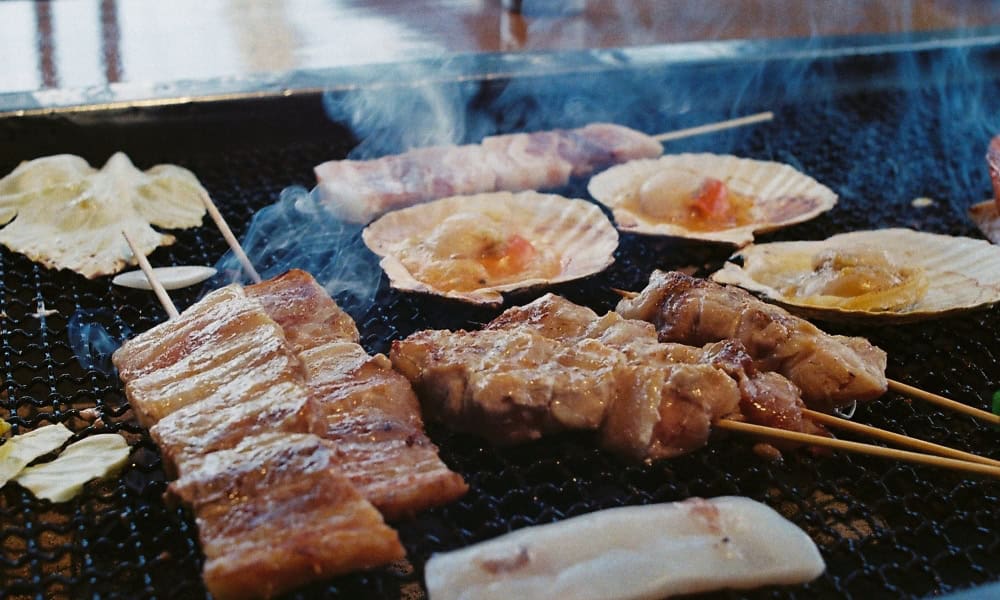
Malaga, Sevilla, Granada, anywhere on the southern coast — the food here was built for the heat, and it shows. Cold soups you’ll be making at home within a month. Fried fish you’ll eat standing up at a market stall. Flavours that only really make sense when it’s 35 degrees, and you’re eating outside.
The dishes to know:
- Gazpacho — tomatoes, cucumber, pepper, garlic, olive oil, blitzed cold and poured into a glass. Looks like a smoothie. On a 38-degree day it’s the only thing you want.
- Salmorejo — basically gazpacho’s thicker cousin, bread blended in, topped with jamon and egg. I was making this at home by week two. Fair warning.
- Ajo blanco — almonds, garlic, water, blitzed cold. Grapes or melon on top. I know how that sounds. Try it anyway.
- Pescaito frito — tiny fried fish, eaten standing up at a market stall in Cadiz with a cold beer in your other hand. Non-negotiable.
- Rabo de toro — rich oxtail stew with red wine. A winter dish, but one of the best things you’ll eat.
- Plato alpujarreno — eggs, potatoes, ham, chorizo, and blood sausage. The mountain villages do this one. Eat it once and you’ll understand why.
Jamon iberico from this region is extraordinary. Don’t buy the cheap stuff. And if you’re near Jerez, try the sherry, proper sherry, not the sweet stuff your gran had at Christmas.
Madrid and Central Spain: Hearty, Warming, and Not for Small Appetites
Madrid is one of those cities where you can eat your way around the whole country without leaving. But the capital and the central regions do have their own thing going on, proper cold-weather food, built around meat and time and not being in a hurry.
Cocido madrileno is the one everyone mentions and for good reason. Chickpeas, various cuts of meat, and vegetables, all slow-cooked together and served in stages, broth first, then everything else. It’s a Sunday thing, full stop. Clear your afternoon. Callos a la madrileña is tripe stew: spicy, rich, and genuinely not for everyone. Try it once anyway. And whatever you do, get a bocadillo de calamares near Plaza Mayor — fried squid in a bread roll, under three euros, and one of those things you’ll think about for years.
Castilla y Leon takes it up another level. Cochinillo asado is roast suckling pig, the crackling is so thin they literally smash it with the edge of a plate to serve it. Half the fun is watching that happen. Castilla-La Mancha has pisto manchego which is basically ratatouille but don’t say that to anyone local, Manchego cheese which you’ll be buying in bulk to take home, and migas — fried breadcrumbs with chorizo that look like leftovers and taste like something you’d pay a lot of money for in London.
Northern Spain: Where the Serious Food Lives
I genuinely wasn’t ready for the north. I thought I’d done enough research. Then I spent a week in San Sebastian eating my way from bar to bar and came back having completely rearranged my understanding of what food can be.
The Basque Country has more Michelin stars per head than almost anywhere else on earth, but honestly that’s almost beside the point. The pintxos bars are where it’s at, little snacks piled on bread, seafood and cheese and all sorts, lined up along the counter. You pick what you want, you eat it standing up, you move to the next bar. Do this for an entire evening. Seriously, just bar hop until you can’t anymore. Bacalao al pil-pil, salt cod, garlic oil, barely any heat, ages on the stove. What comes out is this silky, wobbly sauce that sounds deeply unappealing until you taste it.
Galicia is all about the sea. Pulpo a la gallega: octopus, paprika, olive oil, boiled potatoes, is the dish the region is known for, and it deserves every bit of the reputation. Get it at a market if you can, not a tourist restaurant. A mate of mine who moved to A Coruna texted me after his first proper bowl of it: “I’ve been doing octopus wrong my entire life.” Tarta de Santiago, the almond cake with the cross on top, is what you have with your coffee.
Asturias is fabada asturiana: smoky, rich bean stew with blood sausage and pork, and cider poured from arm’s length into the glass. The pouring is a whole thing. Just go with it.
Catalonia and the East Coast: Sun, Seafood, Mediterranean
A lot of UK movers end up in Barcelona, Valencia, or somewhere along the Costa Blanca, and honestly the food alone makes it worth it.
Catalonia does its own thing and is quite proud of that fact. Pan con tomate is bread rubbed with fresh tomato and olive oil. It sounds too simple to be good, but there is a reason it’s on every table. Crema catalana is the dessert, the one with the burnt sugar crust. The Catalans will absolutely tell you the French copied it with their creme brulee. Let them have it.
Valencia is paella country, and the real version is nothing like what gets served in UK Spanish restaurants. Chicken, rabbit, green beans, saffron rice, no seafood anywhere near it. Try arroz a banda too, rice cooked in fish stock until it’s deeply savoury, and fideua, which does the same thing with thin noodles instead. All three are worth the trip on their own.
Murcia gets overlooked, and the locals seem perfectly happy about that. Vegetables are seasonal, fresh, dirt cheap. Cook at home here, and you’ll eat better than you have in years for almost nothing.
Aragon, Navarra, and La Rioja: Off the Trail and Worth It
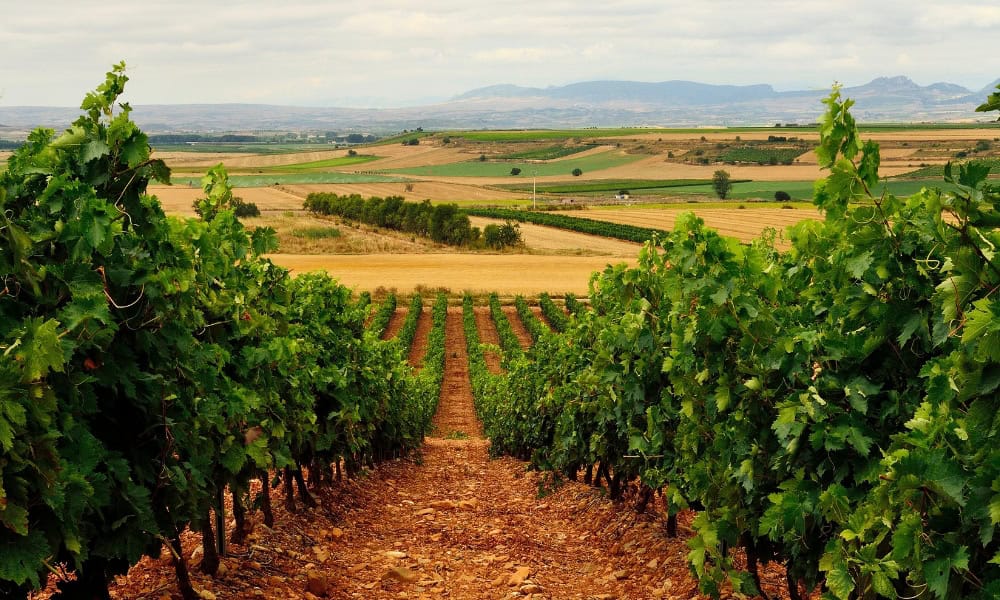
Three regions that don’t get nearly enough attention. If you’re heading somewhere quieter and off the coast, worth knowing what you’re getting into food-wise.
Aragon, lamb, peppers, and stuff from the Ebro valley. No fuss, no nonsense, just decent ingredients left to do their thing. Navarra will ruin you for tinned asparagus forever, and the pimientos del piquillo, sweet roasted peppers, turn up in everything for good reason. La Rioja, you probably already know about for the wine. The food deserves equal billing. Lamb chops grilled over vine cuttings, potatoes with chorizo, whatever stew the kitchen felt like making with the open red. If your ideal Sunday involves a proper roast and something worth drinking, you’ll feel at home here immediately.
The Islands: Different Again
The Balearics — Mallorca, Menorca, Ibiza — feel distinctly their own. Ensaimadas are the sweet spiral pastries you see everywhere, the thing people take home in flat round boxes. Sobrassada is soft, spreadable chorizo, on the breakfast table every morning. Caldereta de langosta: lobster stew, is the dish you save for a special occasion and spend the rest of the year thinking about.
The Canaries are something else entirely. Geographically closer to Africa than to Madrid, and once you eat there you understand why Papas arrugadas: tiny potatoes, boiled in water so salty it turns white, until the skins shrivel up. You dip them in mojo rojo for heat, or mojo verde for herbs. I got through the whole bowl before I’d even thought about ordering anything else.
Practical Stuff: Shopping, Eating Out, and Getting Your Head Around Their Timings
Timing is what gets everyone first. Breakfast is small — coffee, maybe a pastry. Mid-morning, there’s usually a second breakfast, a sandwich or toast, because lunch isn’t until 2 pm at the earliest and often closer to 3. Dinner starts at 9 pm. If you walk into a restaurant at 7 pm, you will be alone. 6 pm, and you might actually be asked if you’re lost.
Go to the market. Seriously, just go. Fresh fish, vegetables that taste like vegetables, olive oil that bears no resemblance to what we call olive oil in the UK, cheese, bread. Olive oil from Jaen, especially — the quality is extraordinary, and the price will make you angry when you eventually come back.
Vegetarians can eat well here, but you have to ask questions. A soup that looks vegetarian might well be made with meat stock. Sin carne is without meat, sin pescado is without fish, caldo de verduras is vegetable stock. Ask. Cities are easier. Rural spots are catching up.
FAQ
Which region is best for seafood?
The north. Galicia, Asturias, Cantabria, the Basque Country — just pick one and eat your way through it. Octopus, shellfish, fish stews, squid everywhere you look. Prefer the lighter Mediterranean style? Catalonia and Valencia won’t disappoint either.
Is it spicy?
Honestly, no. Most of it is paprika, garlic, olive oil, a bit of vinegar. Patatas bravas can have a kick depending on which bar you’re in, and the mojo sauces in the Canaries have some heat to them — but if you’ve survived a Friday night curry in the UK, you’ll be absolutely fine.
What about vegetarians and vegans?
More options than you’d think but ask about the stock. Gazpacho is usually safe, grilled vegetables, bean dishes, bread-based things. Bigger cities are much easier. Rural areas are improving slowly.
How important is olive oil really?
Central to everything. It’s not a condiment or a finishing touch — it’s where almost every dish starts. Get the good stuff, extra virgin from Jaen or Catalonia, and use it without guilt.
Will I find British food?
In expat areas, yes. But once you start cooking like a local and eating like one too, you probably won’t want to. The food is just genuinely better.

Recommended Posts
Cheap Apartments to Rent: How to Find Affordable Housing When You Move Abroad
Sunday, 18th October 2026

House Prices in Australia: What UK Movers Should Budget For
Friday, 16th October 2026

How Much Money Do You Need to Move to Canada? (UK 2026 Cost Guide)
Wednesday, 26th August 2026